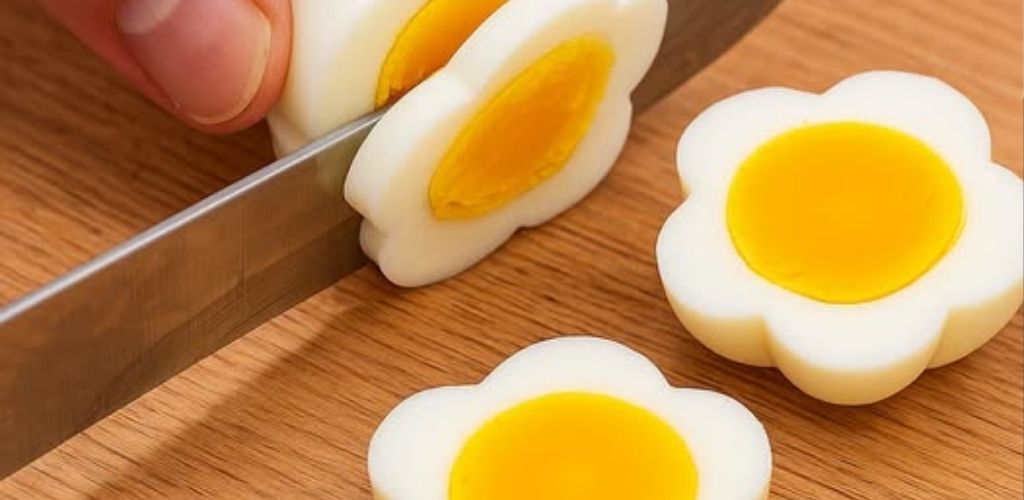
Why it’s worth rethinking how you cook eggs
The egg is one of the most versatile ingredients in cooking. It provides high-quality protein, healthy fats, and a wide variety of nutrients. However, most people learn to cook it in only one way and rarely explore alternatives. This often results in dishes that are dry, rubbery, or have an unpleasant texture.
Small changes in cooking methods directly influence aspects such as:
- The final texture: softer, creamier or firmer depending on the desired result.
- The flavor: it intensifies when the appropriate times and temperatures are respected.
- Presentation: a well-cooked egg looks more appetizing on the plate.
- Preparation time: certain techniques reduce the minutes spent in the kitchen.
A simple technique to improve egg cooking
One of the most effective ways to achieve softer, tastier eggs is to control the temperature from the start. Instead of using high heat, begin with a pan that is just warm and add a small amount of fat, either butter or vegetable oil. By adding the eggs at this point, the proteins coagulate more slowly and evenly, preventing the tough texture that develops when the heat is too intense.
Another key tip is to whisk the eggs with a teaspoon of water or milk before cooking them. This adds extra moisture during cooking and promotes a fluffier texture. For those who prefer scrambled eggs, constantly stirring the mixture with a silicone spatula helps create smooth folds instead of large, dry clumps.
Basic steps to apply the method
- Heat the pan over low heat for one or two minutes.
- Add a small amount of butter and wait for it to melt without browning.
- Beat the eggs in a bowl with a pinch of salt and a tablespoon of liquid.
- Pour the mixture into the pan and stir gently with a spatula.
- Remove from the heat just before they finish cooking, as the residual heat will complete the cooking process.
Other practical time-saving cooking tips
Beyond eggs, there are numerous habits that make daily work in the kitchen easier. Adopting them doesn’t require special tools and allows you to achieve better results with the same ingredients you always use.
Preservation of fresh food
Storing fresh herbs wrapped in slightly damp paper in a sealed container helps keep them fresh longer. The same is true for leafy greens, which last longer if stored separately from fruits like apples or bananas, which release ethylene and accelerate ripening.
Efficient ingredient preparation
- Peel garlic quickly: place it inside a jar and shake vigorously; the peel will come off in seconds.
- Cutting cherry tomatoes: placing them between two plates and passing a knife horizontally allows you to cut several at once.
- Measuring without a scale: one tablespoon is approximately 15 milliliters, a useful reference when measuring utensils are lacking.
Making the most of the frying pan and the oven
Properly heating cookware before cooking prevents food from sticking. In the case of the oven, allowing it to reach the indicated temperature before placing anything inside ensures even cooking. These details may seem minor, but they make a significant difference in the final result.
The importance of experimenting in the kitchen
Trying new techniques doesn’t mean abandoning traditional recipes, but rather enriching them. Often, a small change in the order of the steps or the cooking temperature can transform an ordinary dish into an outstanding creation. The kitchen is a place where practice and curiosity allow for constant learning.
Incorporating these methods doesn’t require advanced knowledge or professional equipment. Simply pay attention to detail, respect the timing, and be willing to break out of your routine. Over time, these habits become second nature and allow you to enjoy the cooking process more.
Conclusion
Improving how you cook eggs and applying other practical tips in the kitchen is a simple way to elevate the quality of your everyday meals. From controlling the temperature to using the right utensils, every step contributes to tastier, more appealing, and more nutritious dishes. The key is to observe, adjust, and enjoy each preparation, knowing that even the simplest gestures can make a big difference.