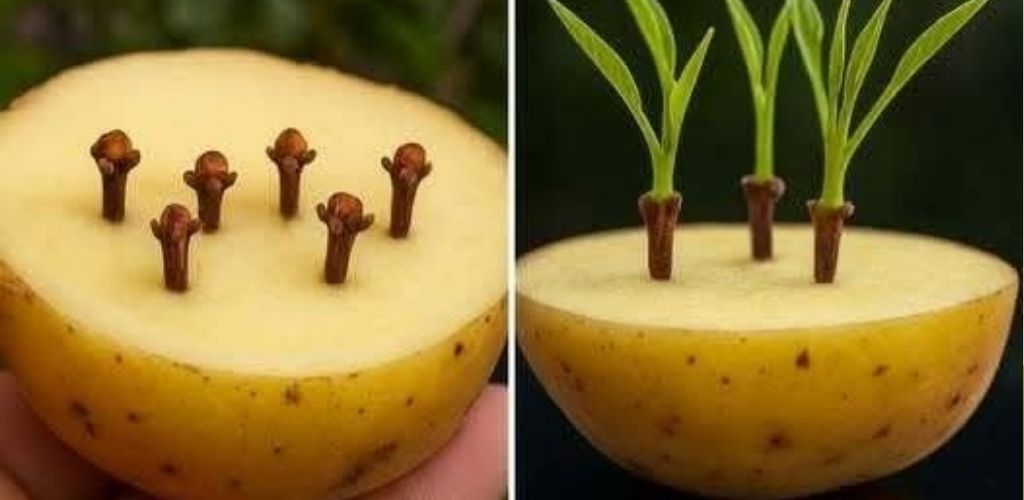
Cloves (Syzygium aromacum) are one of the world’s most beloved spices, known for their warm, aromatic flavor, varied culinary uses, and natural health benefits.
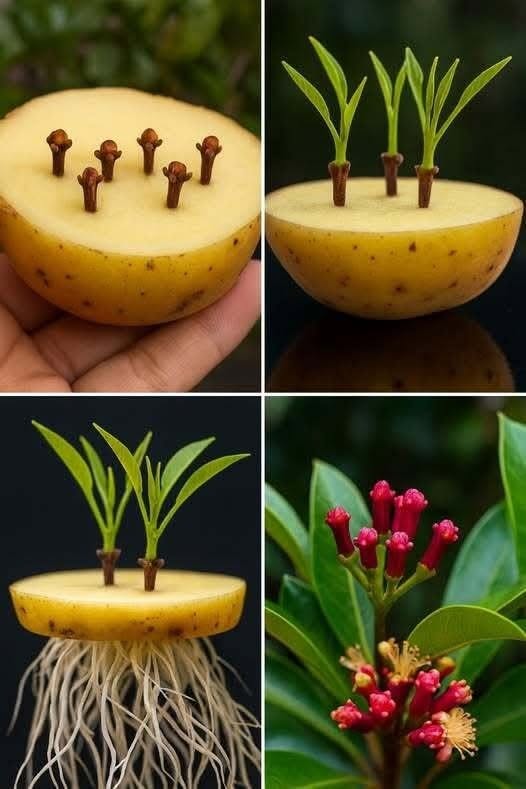
While cloves are typically imported and purchased dried, they can be grown at home from tiny seeds, allowing you to enjoy not only the joy of gardening but also the joy of a fresh, organic source of spice.
With a simple step-by-step approach, even beginners can successfully grow carnations. Here’s a complete guide to growing fragrant cloves from tiny seeds right at home.
Step 1: Select high-quality clove seeds
The key to successfully growing carnations is choosing fresh, viable seeds .
Don’t use dried cloves from the spice store, as they won’t germinate. Buy seeds from a reputable nursery, gardening store, or online retailer.
Look for swollen, slightly moist, mold-free seeds. Using high-quality seeds increases the chances of germination and healthy seedling growth.
Step 2: Prepare the pot and soil
Carnations thrive in fertile, well-drained soil , so choosing the right pot and soil mix is essential.
Choose a pot with drainage holes to prevent waterlogging, which can damage the roots.
Fill the pot with a mixture of good quality potting soil, compost and a small amount of sand or perlite .
This mixture will ensure good aeration, proper drainage, and sufficient nutrients for early growth. Lightly moisten the soil, keeping it moist but not wet.
Step 3: Planting the Seeds
Plant each clove seed into the soil to a depth of about 2 cm.
When sowing several seeds in one pot, leave a distance of 5-7 cm between them to avoid crowding.
Gently press the seeds into the soil, but don’t bury them too deeply. Cover the pot with clear film or a plastic bag to create a mini greenhouse effect.
This will help retain the warmth and moisture needed for the seeds to germinate.
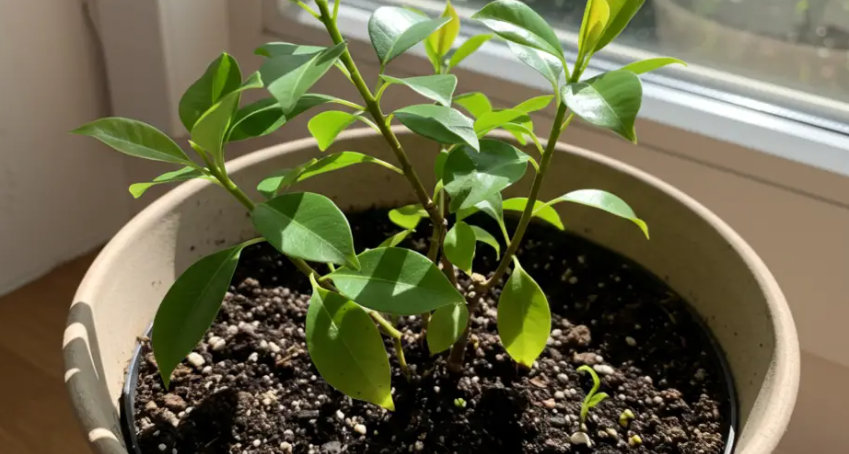
Step 4: Provide proper lighting and temperature
Carnation seeds require bright, indirect sunlight .
Avoid direct sunlight, which can dry out the soil and damage the seeds. Maintain a temperature of 25°C to 30°C (77°F to 86°F).
Carnations are tropical plants accustomed to humid, warm climates, so creating a stable environment is crucial for germination and early growth.
Step 5: Watering and caring for seedlings
Keep the soil constantly moist by misting it once a day , preferably in the morning.
Avoid overwatering, as excess moisture can lead to root rot. Germination can take 3-4 weeks , so patience is essential.
Once the seedlings emerge, gradually remove the film to allow them to adapt to normal humidity and air circulation.
Step 6: Transplanting the seedlings
When the seedlings reach a height of 10–15 cm and have several leaves, they can be transplanted into larger pots or, if conditions permit, directly into the garden.
Choose a location with partial sun and make sure the soil is fertile and well-drained.
Continue to water regularly and feed with a balanced or organic fertilizer to maintain healthy growth. Protect seedlings from drafts and sudden temperature changes.
Step 7: Long-term maintenance
Carnation plants grow slowly and may take 3-6 years to produce buds ready for harvest.
Regular care is essential: water regularly, maintain warm, moist conditions, and fertilize every few weeks.
Monitor plants for pests and diseases, and ensure good air circulation to prevent mold and mildew.
Proper care will promote the formation of strong stems, lush green foliage and, ultimately, fragrant buds.
Step 8: Flowering and harvesting carnations
The most valuable part of the carnation is its flower buds , which are collected before they bloom.
Collect the buds when they are firm, reddish-brown and unopened , then dry them in a ventilated area, away from direct sunlight.
These dried buds are cloves, used in cooking, tea, and as a natural remedy. Mature plants produce fragrant buds annually, providing a steady and constant supply of this aromatic spice.
Additional tips for success
- Seedlings vs. Seeds: Seedlings may bloom faster, but seeds are more readily available and more affordable.
- Drainage: Proper soil drainage prevents root rot and ensures healthy growth.
- Humidity: Carnations grow well in warm, humid conditions; soil misting and plastic covering can be used.
- Patience: Carnations take years to mature; consistent care will reward you with years of fragrant blooms.
Conclusion
Growing carnations at home from tiny seeds is a fun and rewarding activity.
By following this simple step-by-step method—from choosing high-quality seeds to growing seedlings into mature, flowering plants—you can enjoy the natural aroma, beauty, and culinary benefits of cloves without buying them again.
With patience, dedication, and consistent care, your indoor carnation plants will thrive, producing fragrant flowers and a constant source of this valuable spice year after year.