How to Build a DIY Pipe Alignment Clamp for Welding
Precision is key when it comes to pipe welding. Achieving a perfect weld requires keeping workpieces securely locked into position, preventing any unwanted movement, rotation, or misalignment. This simple DIY pipe alignment tool is engineered to hold pipes firmly in place, ensuring seamless alignment in both height and direction throughout the welding process. Featuring a robust clamping system driven by eye-bolts and a sturdy base plate, this fixture empowers welders to work comfortably and accurately without worrying about slipping joints or uneven gaps.
Why You Need a Dedicated Pipe Alignment Tool
When joining tubular metal sections, even a fraction of a millimeter in misalignment can lead to weak weld joints, structural failure, or costly material waste. Holding pipes manually or relying on temporary setups often results in uneven bevel spacing and shifting during thermal expansion. A dedicated alignment fixture acts as a third hand in the shop, maintaining constant clamping pressure so you can focus entirely on torch angle, heat input, and penetration depth. Investing a short amount of time in fabricating this tool will dramatically improve your welding quality and overall efficiency.
Sourcing Scrap Materials from Your Workshop
[Internal Link: Explore our guide on essential metalworking tools for home workshops]
The absolute best aspect of this DIY welding project is that you do not need to spend money on expensive commercial fixtures. You can easily build this alignment fixture using leftover shop metal, scrap structural profiles, flat bars, standard hardware, and a bit of mechanical ingenuity. Transforming scrap metal into a functional workshop tool keeps production costs low while providing a customized clamp tailored specifically to the pipe diameters you work with most frequently.
Key Components and Materials Required
Before starting the fabrication process, gather the following basic materials and hardware from your scrap bin:
| Component | Recommended Material | Primary Function |
| Base Plate | Heavy steel plate or thick channel | Provides rigid support and thermal stability |
| V-Blocks / Guides | Angle iron or square tubing | Centers and aligns pipes of varying diameters |
| Clamping Mechanism | Heavy-duty eye-bolts and threaded rods | Applies uniform downward pressure |
| Crossbars | Flat steel bars or heavy straps | Bridges over the pipes to lock them down |
Step-by-Step DIY Pipe Clamp Construction Guide
Fabricating your custom pipe alignment jig is straightforward if you follow a logical assembly sequence:
- Prepare the Base: Cut a heavy steel channel or thick flat plate to your desired length to serve as the main chassis.
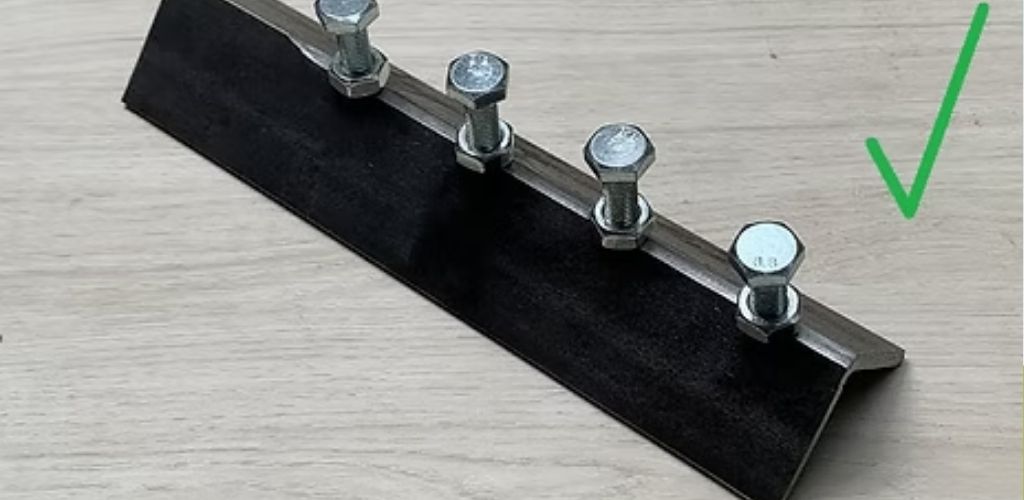
- Weld the V-Guides: Mount two parallel lengths of angle iron along the center axis of the base to form a continuous V-groove that automatically centers round stock.
- Fabricate the Uprights: Weld threaded studs or eye-bolt mounting tabs on both sides of the V-groove to accommodate the clamping straps.
- Assemble the Clamps: Fit the crossbars onto the threaded eye-bolts, securing them with heavy washers and nuts for adjustable tension.
- Test and Calibrate: Place two test pipe sections into the V-groove, tighten the clamps, and verify alignment with a straightedge before initial use.
Practical Recommendations for Welding Success
To maximize the lifespan and functionality of your homemade pipe alignment fixture, consider a few technical enhancements. Coat non-contact surfaces with anti-spatter spray or heat-resistant paint to protect the assembly from stray weld spatter. Additionally, ensure the central area between the clamps remains open so you have full 360-degree torch access for tacking and root passes. By customizing the dimensions to fit your specific workflow, this practical tool will become an indispensable asset in your workshop for years to come.
If you found this DIY welding project helpful, please subscribe to our page for more practical metalworking guides! Don’t forget to like this post and share it with your fellow fabricators and workshop enthusiasts.