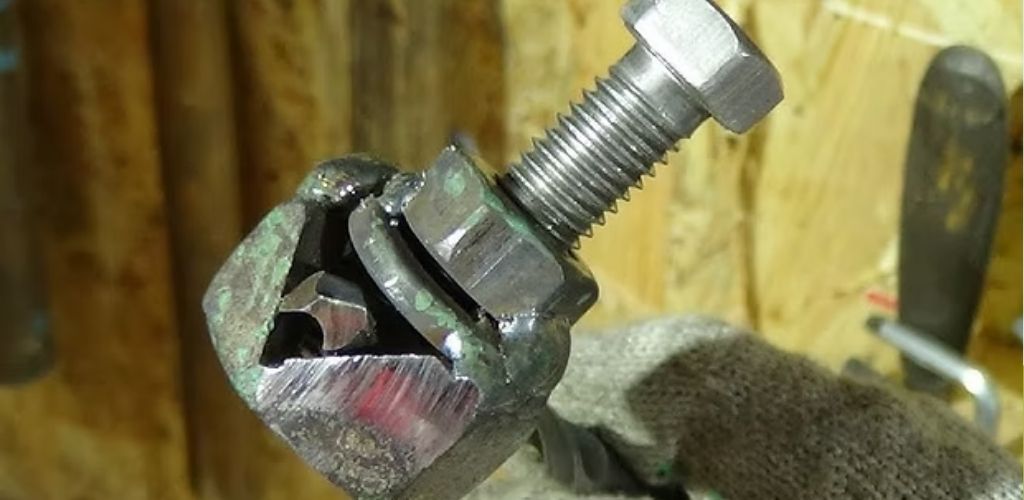
When sharpening your drill bits with a homemade tool, it’s crucial to set the correct angle at the tip to ensure optimal performance and extend the tool’s lifespan. The sharpening angle directly affects cutting efficiency and varies depending on the material being drilled. Below are recommendations for the most common angles:
Sharpening angles according to the material:
- 118 degrees: This is the standard angle for drill bits used in soft materials, such as wood, plastic, and some non-ferrous metals. It provides a balance between durability and cutting ability.
- 135 degrees: Recommended for harder materials, such as stainless steel and cast iron. A more obtuse angle reduces the pressure required and decreases drill bit wear.
Importance of selecting the correct angle:
Choosing the correct sharpening angle is crucial for:
- Work efficiency: An appropriate angle facilitates the penetration of the drill bit into the material, reducing the effort required.
- Finish quality: Proper sharpening minimizes burrs and ensures clean and precise perforations.
- Safety: A sharp drill bit with the correct angle reduces the risk of slippage or jamming during drilling.
Additional recommendations:
- Use sharpening templates: These tools help maintain the correct angle during the sharpening process, ensuring uniformity in the edge.
- Regularly check the condition of your drill bits: Inspect the drill bits before each use to ensure they maintain the proper angle and edge.
- Practice sharpening: If you are a beginner, practice on old or less important drill bits to perfect your technique before sharpening critical tools.